From Networking to Community
Why taking the pressure out of networking can lead to better conversations, stronger relationships and, sometimes, unexpected collaborations.
What Makes a Networking Event Actually Feel Like a Community?
Most networking events have a pretty clear purpose. You go there to meet people who could be relevant to what you’re doing.
Someone asks what you do, you give them the short version, they tell you what they do, and pretty quickly both of you are trying to understand if there is a reason to keep talking. Maybe they are a potential customer, an investor, a founder you should know or someone who could make a useful introduction.
There is nothing really wrong with that. I’ve been to a lot of events like this, especially through my work, and they can be very useful.
But since I started hosting events myself, I’ve been thinking more about the difference between networking and actually building a community.
I don’t think they are necessarily the same thing.
When networking feels too much like networking
One thing I notice at some startup events is that there can be a lot of pressure to explain why you are there and why someone should talk to you.
Founders have their pitch ready. Investors get approached all night. People look at job titles, companies and name tags before deciding who they want to meet. Conversations can quickly become a series of questions about what you’re building, how far along you are and whether you’ve raised money.
Again, those aren’t bad questions. Sometimes that’s exactly why you’re at the event.
But they don’t always tell you much about the person standing in front of you.
Some of the most interesting conversations I’ve had at events had no obvious purpose at the beginning. Maybe you start talking about hardware, then manufacturing, then something completely unrelated. Twenty minutes later, you realize you have been thinking about the same problem from two completely different directions.
There was no planned outcome. You just had a good conversation.
I think there is a lot of value in creating more room for that.
Taking the pitch out of the event
This is one of the things I’ve tried to keep with the San Diego Startup Mixer.
There is no pitch session and no presentation everyone has to sit through. People can talk about their companies, of course, and most founders naturally will. But nobody has to stand in front of the room and explain why what they’re building matters.
The idea is much simpler: come, meet people and see where the conversation goes.
I’ve started to realize how important that is because it’s also the feedback I hear most often from people attending the mixer. Some people are very comfortable walking into a room full of strangers and introducing themselves. Others aren’t. A more relaxed format seems to make it easier for both.
It also gives conversations time to go somewhere unexpected. You might start talking about someone’s company, move into a problem you’ve both seen in your industries and eventually discover that you have something completely different in common.
You can’t really plan those conversations, but I think you can create a setting where they are more likely to happen.
Low pressure doesn’t mean no structure
Something I’m also learning is that a casual event doesn’t mean you just open the doors and hope everything works.
The venue matters. If it’s too loud, having a real conversation becomes difficult. If people can’t move around easily, they tend to stay with the group they already know. If there is too much programming, everyone spends the evening watching instead of meeting each other.
The host matters too. One of the things I want to get better at is making more introductions between people who should probably know each other.
Not just, “You’re both in tech, you should meet.”
More like, “You’re working on a hardware product and having manufacturing issues. You should meet this person because they dealt with something similar last year.”
Those introductions require actually knowing a little about the people coming to the event. That’s harder as the group gets bigger, and it’s something I’m still thinking about as the mixer grows.
The challenge is finding ways to make those connections easier without adding so much structure that the event stops feeling casual.
The value might come much later
Another thing I’ve been thinking about is how difficult it is to measure whether an event was actually useful.
Registration and attendance are easy to measure. You know how many people signed up and how many came through the door.
But those numbers don’t tell you what happened because those people were in the same room.
Maybe someone met a future customer. Maybe they found an engineer who could help with a problem. Maybe an introduction turns into a mentorship or a new project several months later.
Or maybe nothing happens immediately. Two people just enjoy talking to each other. They meet again at another event, grab coffee a few weeks later and eventually start exchanging ideas or helping each other.
I actually think that part is more interesting.
When you meet someone for the first time, it’s difficult to know whether you would ever want to work together. You don’t know how they think, whether they follow through, how they deal with disagreements or what happens when something goes wrong.
You learn those things over time.
That’s why I think recurring events can be more valuable than trying to create the perfect networking event once. People see each other again. Conversations continue. Eventually, some of those relationships become friendships, collaborations or business opportunities.
An event isn’t automatically a community
This is probably the biggest thing I’m starting to understand from hosting these events.
Getting a lot of people into a room doesn’t automatically mean you’ve built a community.
You can have 200 registrations, take great pictures and have a very successful night. But if everyone goes home and never talks to each other again, I’m not sure that’s really a community.
What interests me more is what happens afterward.
Do people stay in touch? Did someone make an introduction? Did two people who met at the mixer grab coffee afterward? Did someone find a person who could help with a problem? Did they come back the next month and continue the conversation?
I don’t have a good way to measure all of that yet.
But I think those are probably better questions than simply asking how many people registered.
What I’m trying to improve
As the Startup Mixer grows, I don’t want to make it more complicated just because more people are coming.
Actually, I think the opposite might be important.
I want to keep the low-pressure, no-pitch side because that’s what people seem to enjoy about it. At the same time, I want to find small ways to make the event more useful. Better introductions are one. Helping people understand who else is in the room could be another. Creating reasons for people to stay connected afterward is something else I’m thinking about.
The difficult part is doing those things without turning the mixer into another highly structured networking event.
I’m still figuring that out.
And I think that’s part of why I’m enjoying hosting these events. I originally started doing it because I had moved to San Diego and wanted to meet more people. I wasn’t trying to build an ecosystem or create some big startup organization.
I just wanted to build the community I felt like I was missing.
Now that more people are showing up, I’m starting to think more seriously about what actually makes people come back and what turns a room full of strangers into something that feels like a community.
One last thought
I don’t think good networking always needs to start with “What can this person do for me?”
Sometimes you meet someone and there is no obvious business reason for you to know each other. You just have an interesting conversation.
Then you see them again.
Maybe you grab coffee. Maybe you exchange ideas or make an introduction. Eventually, you start trusting their judgment and they start trusting yours.
Maybe something comes from it. Maybe nothing does.
But I think a good community gives those relationships enough time to find out.
And that’s probably what I’m trying to build with these events.
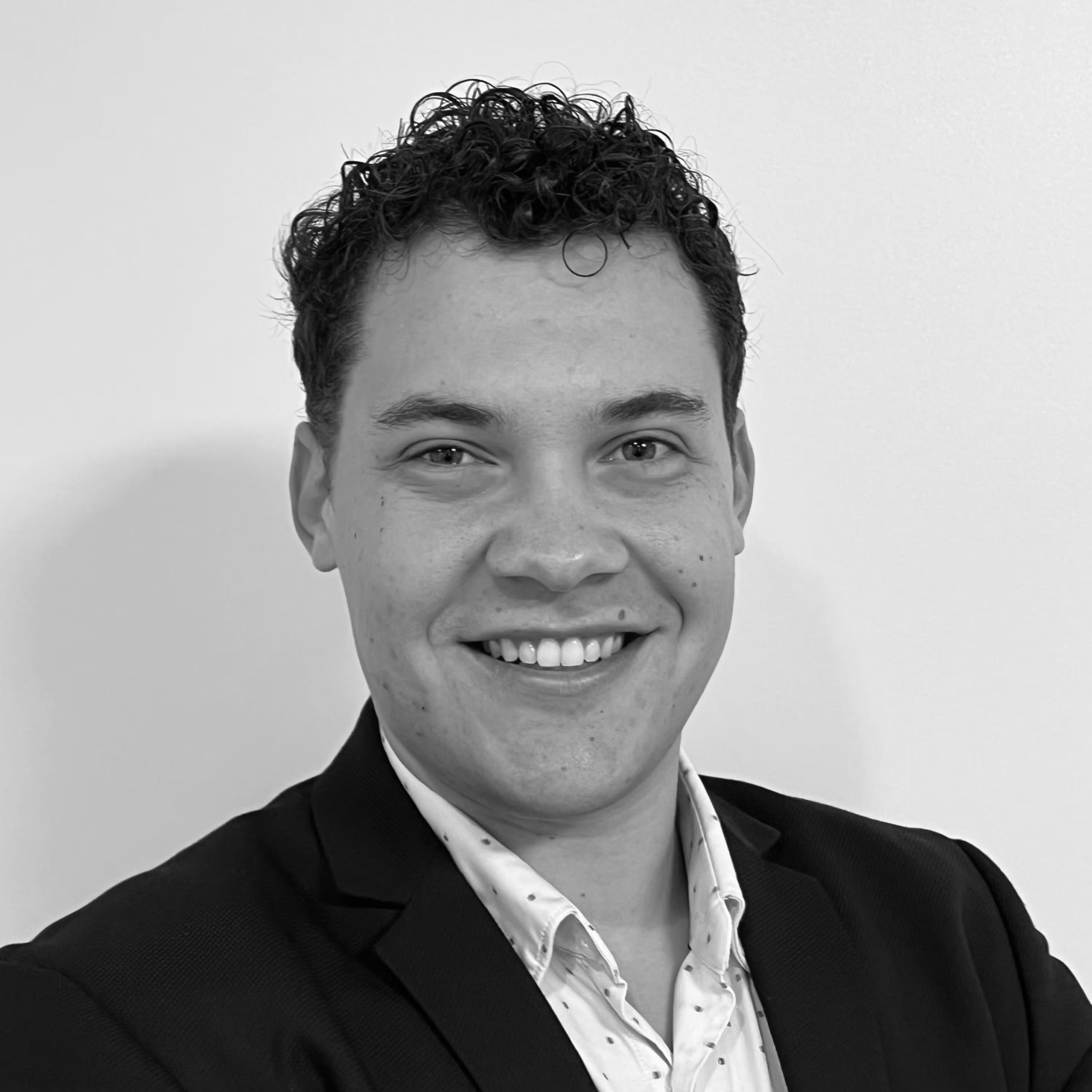
Nadim Abdel Meguid
Hardware. Commercialization. Innovation Ecosystems.
Industrial Engineer working at the intersection of hardware commercialization, industry fieldwork, and innovation ecosystems. Based in San Diego, I write about product development, manufacturing, market adoption, and the people and systems that help technical ideas move into the real world.