
Embedded World North America: Smaller, but worth watching
I went to Embedded World North America to see how the Anaheim show compared with the European edition. The floor was smaller and quieter than expected, but the technology and quality of exhibitors showed a lot of potential.
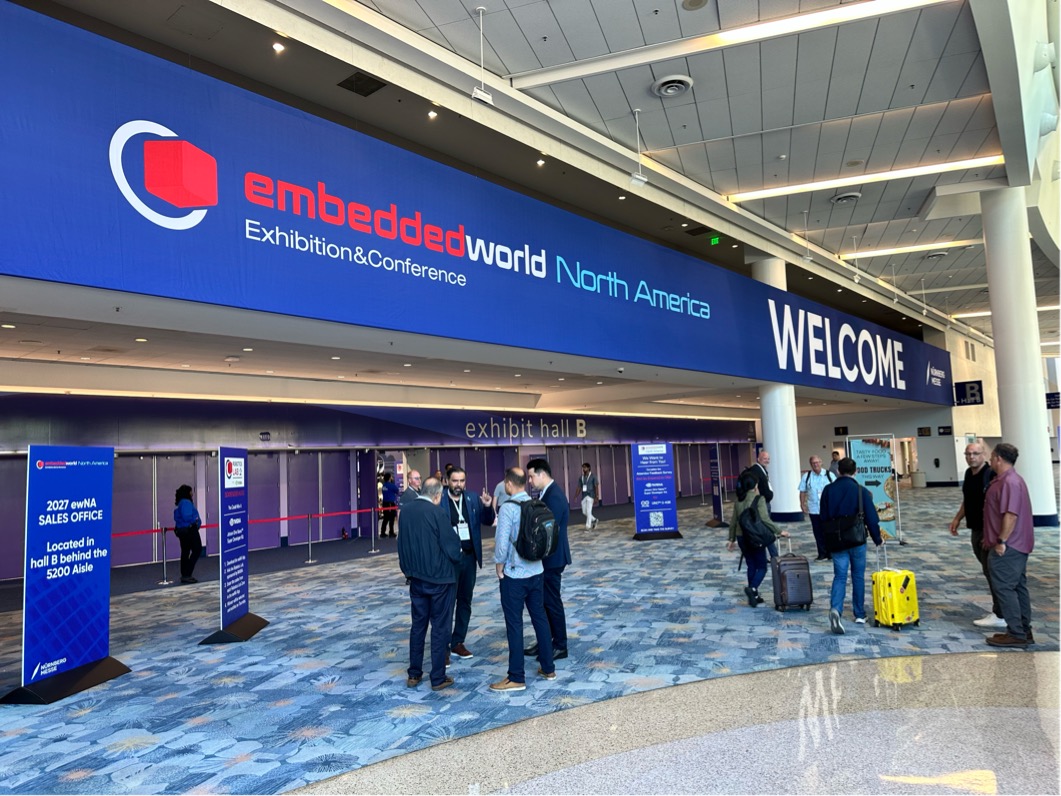
I went to Embedded World North America in Anaheim mainly because our team in Europe exhibits at the show in Germany. I wanted to see how the North American version compared and whether it could eventually make sense for us to exhibit here as well.
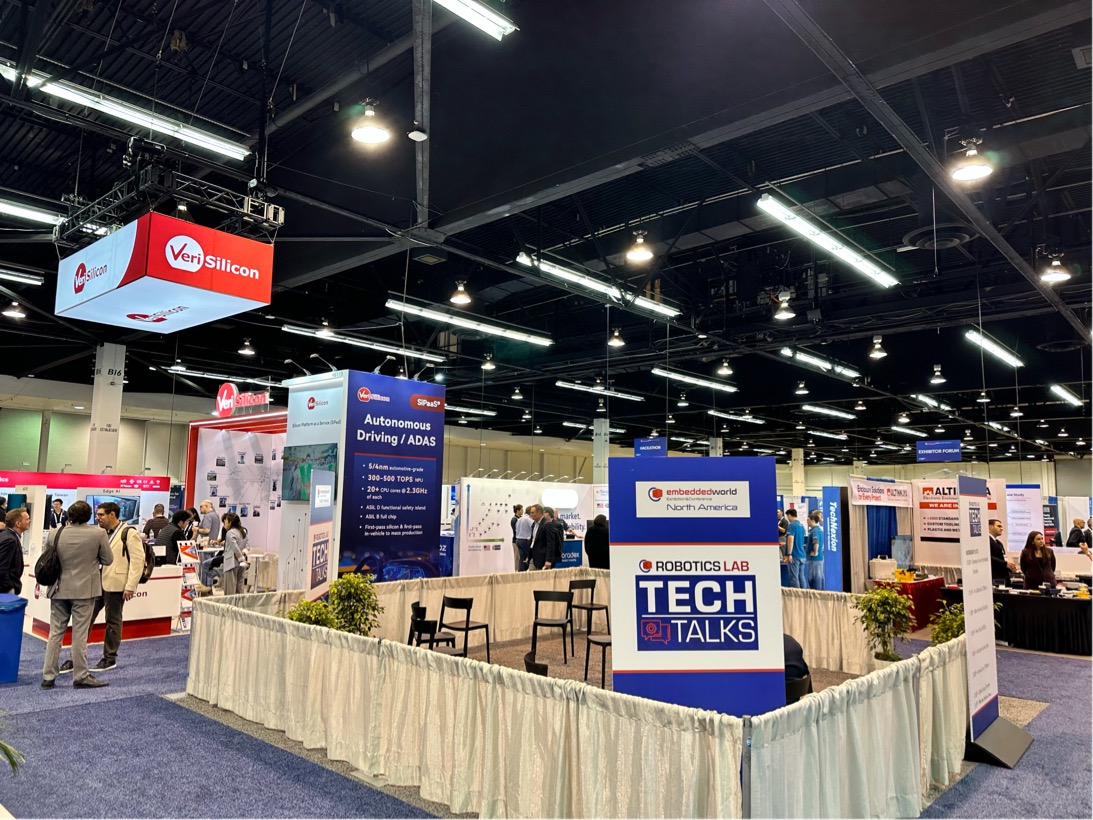
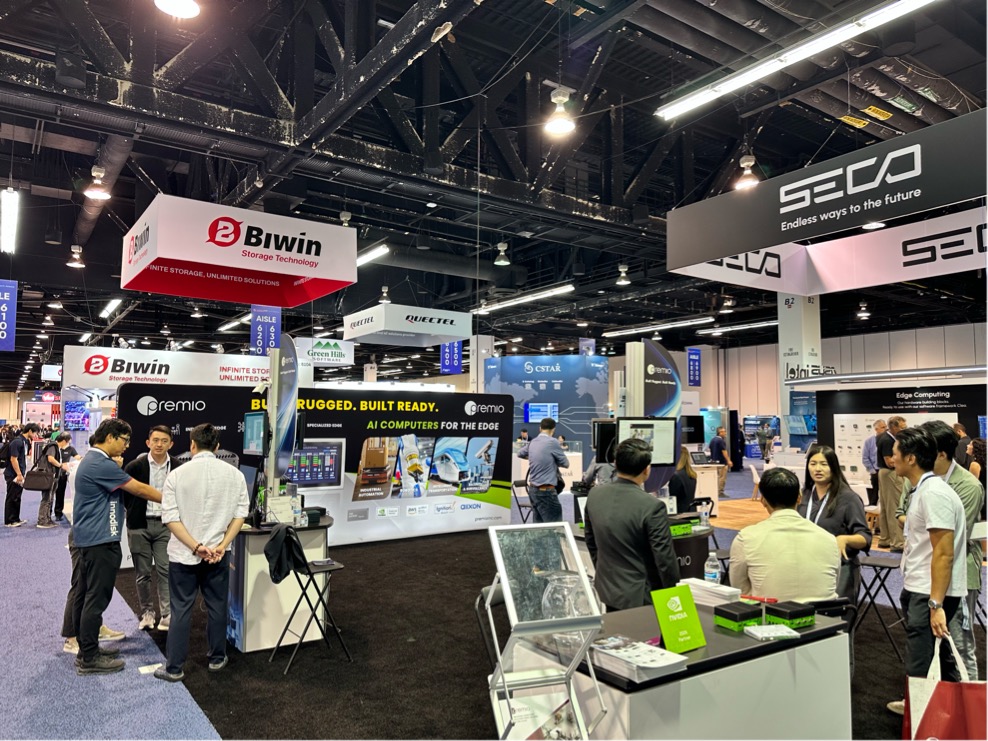
My first impression was pretty simple: it was smaller and quieter than I expected.
The show floor was much smaller than the one in Germany and, at least while I was there, attendee traffic was pretty low. That was probably the biggest thing that stood out to me.
At the same time, the show has only been in North America for a few years, so I don’t think comparing it directly to Germany is completely fair yet.
Smaller show, but good exhibitors
What surprised me was the difference between the attendance and the quality of the companies exhibiting.
Even though the floor wasn’t very busy, there were some serious companies there across semiconductors, embedded computing, connectivity, displays, sensors, test equipment and development tools. So from that perspective, there was still plenty to look at.
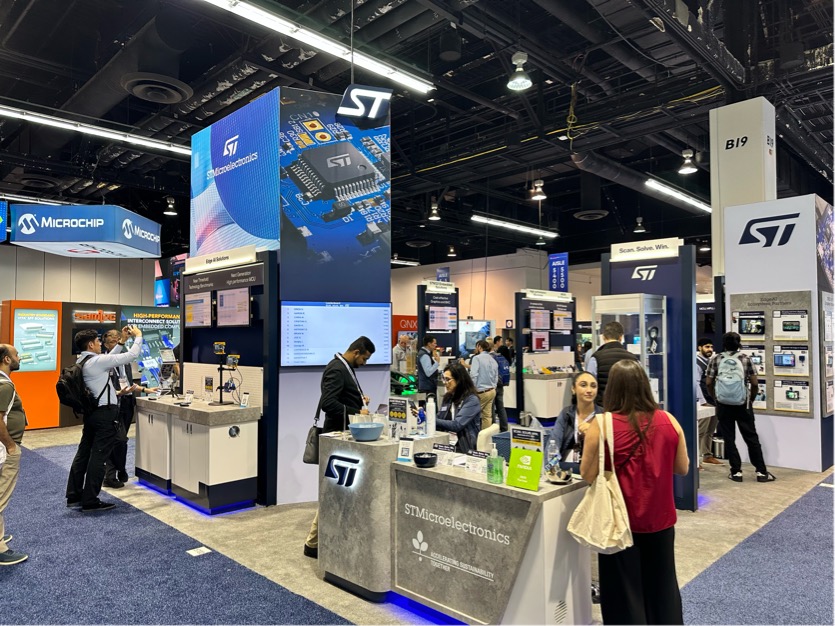
I didn’t really see anything directly related to acoustics that stood out to me, which is obviously one of the areas I pay attention to for work. But there was still a lot of cool technology around embedded systems, AI, sensing and robotics.
That made the visit worthwhile even without a direct connection to what I was originally looking for.
The Robotics Lab
One area I spent some time looking at was the Robotics Lab.
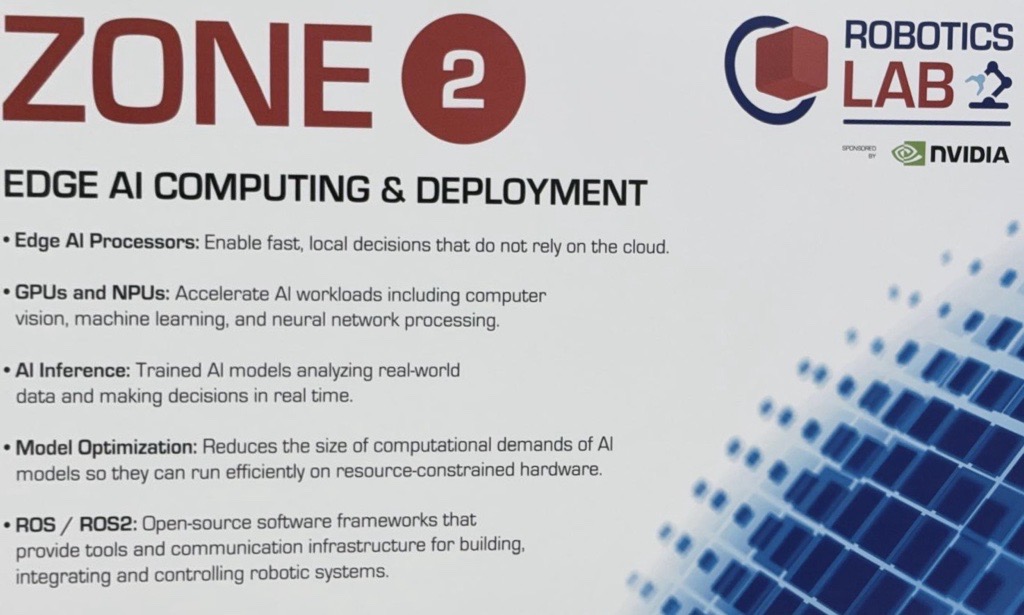
I liked the way it was organized because instead of just showing individual components, it broke robotics down into different parts of the system.
One section focused on edge AI computing and deployment, with processors, GPUs, NPUs, AI inference, model optimization and ROS/ROS2. Another covered sensing, HMI and actuation, including computer vision cameras, LiDAR, IMUs, proximity sensors, voice and gesture interfaces, and motors.
The last part brought those technologies together into actual applications across manufacturing, healthcare, automotive, aerospace, autonomous systems and agriculture.
For me, that was probably one of the more interesting parts of the show. You could see the progression from computing and AI to sensing and then to the physical system actually doing something in the real world.
It also fit with something I’ve been seeing more often at trade shows: AI is increasingly being presented as part of the product itself rather than just as software running somewhere in the cloud.
Would I exhibit there?
Today, probably not.
If I look at it purely from the perspective of whether I would recommend spending the money and time to exhibit, I don’t think the attendee traffic was there yet.
There were good companies on the floor, but you still need enough people walking the show to justify having a booth. Based on what I saw this year, I would rather attend, meet people and walk the floor than exhibit.
But I also think the show has potential.
Southern California has a lot happening across hardware, semiconductors, robotics, aerospace, defense, medical devices and other industries that rely heavily on embedded technologies. Having a show focused on embedded systems here makes sense.
The question is whether the event can attract more attendees over the next few years.
If it does, I could see my opinion about exhibiting changing pretty quickly.
I’ll probably be back
I wouldn’t exhibit yet, but I
would attend again.
Part of the reason is simply that I want to see how the show develops. If the floor gets bigger, attendance grows and the quality of exhibitors stays where it is, the event could become much more interesting.
And that’s also one of the reasons I like visiting a trade show before deciding whether it makes sense to exhibit.
An exhibitor list can tell you who’s going to be there. The website can tell you what the show is supposed to be.
But you don’t really know what a show feels like until you walk the floor.
Shoutout to for capturing the night.